UCSF banner
UCSF home page UCSF home About UCSF Search UCSF UCSF Medical Center

UCSF - University of California San Francisco

  • Patient Care
  • Research
  • Education
  • For Patients
  • For Health Professionals
  • Billing and Insurance
  • Services Offered
  • Patient Safety
  • Clinical Subspecialties
    • Abdominal Imaging
    • Cardiac and Pulmonary Imaging
    • Interventional Radiology
    • Musculoskeletal
    • Neuro Interventional
    • Neuroradiology
    • Nuclear Medicine
    • Pediatric Radiology
    • Ultrasound
    • Women's Imaging
      • Experience and Specialization
      • Advanced Techniques and Technologies
      • Research
      • Fellowship Opportunities
      • Our Commitment
      • Make Appointments / Refer Patients
      • Experienced Radiologists
  • FAQ
  • Patient Testimonials

More Resources

  • Locations & Facilities
  • About our Radiologists
  • About our Technology
  • Find us on Yelp
  • How We Look Into the Body
Home >> Patient Care >> Clinical Subspecialties >> Women's Imaging

Women's Imaging

Breast MRI, Mammogram, UltrasoundBreast Imaging Specialists

UCSF breast imaging specialists in the women’s imaging subspecialty of the UCSF Department of Radiology and Biomedical Imaging provide expert mammographic, sonographic and MRI interpretation—resulting in a much higher than average detection rate of actual breast cancer along with half the national average of false positive[1] test results. Breast cancer or carcinoma of the breast is a malignant tumor in the breast.

Internationally Recognized

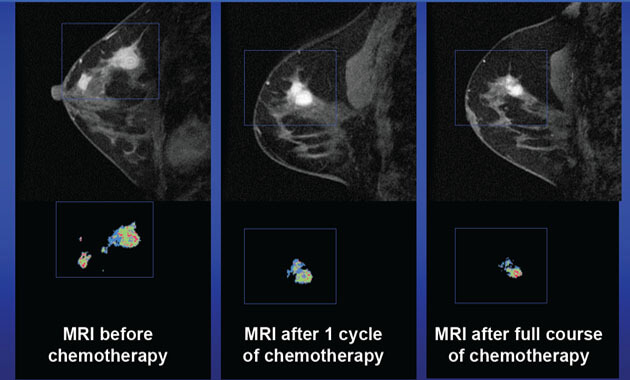
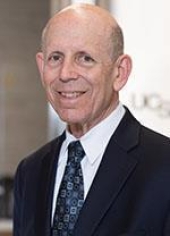
The women’s imaging subspecialty has earned an international reputation for clinical success and leadership.  Our specialists have been instrumental in developing new techniques and methodologies in breast imaging.  Dr. Edward A. Sickles has developed widely used techniques such as magnification mammography and medical auditing procedures, and since its inception he has served on the committee that developed BI-RADS®[2], the standardized breast imaging reporting system that currently is being used throughout the United States.  Nola Hylton, PhD is an internationally recognized expert in breast MRI and developed the SER (signal enhancement ratio) tool that is being used in commercial breast MRI CAD (computer aided diagnosis) systems around the country. UCSF has been instrumental in developing breast MRI for the evaluation of carcinoma breast cancer patients undergoing neoadjuvant chemotherapy.

Subspecialty Expertise

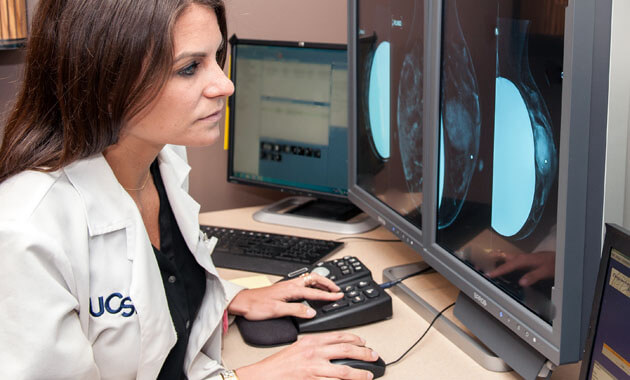
At UCSF, all mammography imaging is interpreted by board certified, expertly-trained, physician specialists.  The information provided via imaging studies and our recommendations is vital to our referring colleagues, breast surgeons, medical and radiation oncologists, nurse practitioners, plastic surgeons, psychologists, and genetic counselors.  The Women’s Imaging Section also collaborates with the UCSF Breast Imaging Research Group, scientists who explore the causes, biology and behavior of breast diseases.

Breast MRI, Ultrasound, Mammography


Normal Screening Mammography with Advanced Digital Technology

ACR UCSF Radiology offers a same-day appointment for a screening mammography.  As for any other imaging studies, patients will need a referral from their primary care doctor.  Although same-day screening is available at UCSF, it is not advised unless a patient has prior mammograms at UCSF within the past 4 years or can hand-carry recent prior mammograms to her screening appointment (if prior exams were done elsewhere).  This is because screening exams interpreted without prior exams result in more than twice as many false positives.

Screening mammography saves lives: it is an important tool for the early detection of carcinoma of breast cancer. The Women’s Imaging section of UCSF Radiology, as well as the American Cancer Society and many major medical organizations, recommends for women to begin annual screening mammograms at age 40.

 
Questions about breast density?  
FAQs from the California Breast Density Information Group (CBDIG)

In response to recent breast density legislation passed in California (SB 1538), UCSF Radiology is informing women if they have dense breast tissue.  Women who have dense breast tissue will receive the following statement in writing as part of their mammogram result: 

Your mammogram shows that your breast tissue is dense. Dense breast tissue is common and is not abnormal. However, dense breast tissue can make it harder to evaluate the results of your mammogram and may also be associated with an increased risk of breast cancer.

This information about the results of your mammogram is given to you to raise your awareness and to inform your conversations with your doctor. Together, you can decide which screening options are right for you. A report of your results was sent to your physician.

To help answer anticipated questions surrounding breast density, breast cancer risk and the notification law, the California Breast Density Information Group (CBDIG) has published a consensus document available at www.breastdensity.info. Physicians from UCSF Women’s Imaging have contributed to and support the content available on this website (www.breastdensity.info). 


[1] A false positive is the rate of occurrence of a positive test result reporting disease or abnormality, when patient is actually free of disease. This is important in breast imaging because women who receive a “false positive” are cancer-free but may receive more testing to prove they are cancer free.  This can cause anxiety and be upsetting.  At UCSF a radiologist or nurse is happy to speak with patients to help them through this process.

[2] The American College of Radiology (ACR) Breast Imaging Reporting and Data System (BI-RADS®)

About Us

  • Department Overview
  • Clinical Subspecialties
  • Advancing Technology
  • Upcoming Seminars
  • People
  • Jobs
  • News

Locations

  • All Locations
  • Parnassus
  • China Basin
  • Mission Bay
  • Mount Zion
  • San Francisco General Hospital
  • VA Medical Center
  • Contact Us
  • Donate
  • Sitemap
  • Internal
  • Schedule an Appointment
UCSF Imaging on TwitterUCSF Imaging on FacebookUCSF Imaging on YouTubeUCSF Imaging Blog

© 2013 The Regents of the University of California